
Key Takeaways
Local permits and building codes can significantly impact the timeline and budget for ADU projects, so understanding and adhering to these regulations is key for a smooth process.
Attached ADUs often have lower construction costs due to shared walls and easier access, making them a cost-effective option for urban properties.
Detached ADUs provide more privacy and can be designed to match the style of the main house, increasing property value, especially in areas with limited housing stock.
Engaging with local architects and builders familiar with your community's unique needs and constraints can lead to more efficient designs and budget-friendly solutions.
Utilizing local resources and materials can reduce transportation costs and have a positive environmental impact, aligning with sustainable building practices.
The demand for ADUs in [region] has led to a competitive market for contractors, potentially resulting in lower quotes, but ensuring quality and timely service remains crucial.
Offering rental units can be a lucrative option for property owners, providing a steady income stream and contributing to the local housing market's balance.
When budgeting for an ADU project, attached or detached, consider the cost-effectiveness of location. Attached ADUs often have lower construction costs due to shared walls, while detached units can offer more flexibility in design and size. In our area, attached ADUs typically range from $150,000 to $250,000, while detached units can start at $300,000, depending on local permits and your chosen contractor's rates. Both options allow for increased housing capacity, enhancing property values and potentially boosting your community's overall housing affordability.
In today's vibrant community, expanding living spaces to accommodate growing families or cater to the growing demand for rental properties is a top priority for many homeowners. Whether considering an attached or detached ADU (Accessory Dwelling Unit), our local market offers unique opportunities and challenges. Here in [neighborhood], we've seen a surge in interest for these versatile additions, driven by the desire to maximize space, increase home value, and contribute to our strong community.
With our rich architectural heritage and diverse architectural styles, we specialize in tailoring ADU projects to fit the unique character of each property and neighborhood. By balancing cost-effectiveness with innovative design, we help homeowners transform underutilized spaces into valuable living areas, enhancing both the beauty and functionality of their properties. Let's explore how attached versus detached ADUs can revitalize our community, one well-planned project at a time.
- Maximize Space: Attached ADU Designs for Urban Living
- Cost-Effective Detached ADU: Community Expansion Solutions
- Local Permitting for ADU: Streamlining Your Project
- Sustainable ADU Construction: Green Community Initiatives
- Boost Neighborhood Value: ADU as Smart Investments
- Local Contractors: Expert Guidance for Your ADU Project
- Financing Options: Making Attached or Detached ADUs Affordable
- Community Engagement: ADUs for Better Neighbor Connections
- Long-Term Benefits: ADUs as Lifelong Assets
Maximize Space: Attached ADU Designs for Urban Living

In the heart of our urban community, maximizing space is not just a trend, but a necessity. This is where attached ADU (Accessory Dwelling Units) shine, offering a cost-effective solution for both homeowners and our densely populated city. Unlike their detached counterparts, attached ADUs seamlessly integrate with existing structures, providing an efficient use of limited real estate. In our neighborhood, a well-designed attached ADU can add a vibrant, modern studio or bedroom while preserving the charming character of our historic homes.
Budgeting for such a project requires a strategic approach, especially when compared to the costs of detached ADUs. Local building codes and architectural styles play a crucial role in shaping these costs. This is significantly lower than the $100 to $200 per square foot seen in many detached ADU projects. When considering the added value to your property, these savings can be substantial. Local zoning laws often favor attached ADUs, making the permitting process smoother and faster.
For design and functionality, attached ADUs offer unique advantages. They can provide much-needed storage solutions, especially in compact urban living spaces. Incorporating clever storage ideas, like built-in bookshelves or custom cabinets, can maximize every inch of the new space. Top-rated ADU conversion services in our area excel at creating functional and aesthetically pleasing interiors that reflect the style of the main home. A modern, minimalist attached ADU can complement a contemporary home, while a more traditional design can blend seamlessly with a historic neighborhood. With the right planning and local expertise, these units can enhance your lifestyle and property value, making them a smart investment for any homeowner.
When selecting a contractor, many residents opt for licensed ADU contractors near me who specialize in these projects. These professionals can guide you through the local regulations and ensure your ADU meets all building codes. From initial consultation to final completion, they provide expert advice on everything from structural considerations to design choices. By choosing a reputable contractor, you can rest assured that your attached ADU will not only be cost-effective but also enhance the overall appeal and functionality of your home, benefiting you and the entire community.
Cost-Effective Detached ADU: Community Expansion Solutions
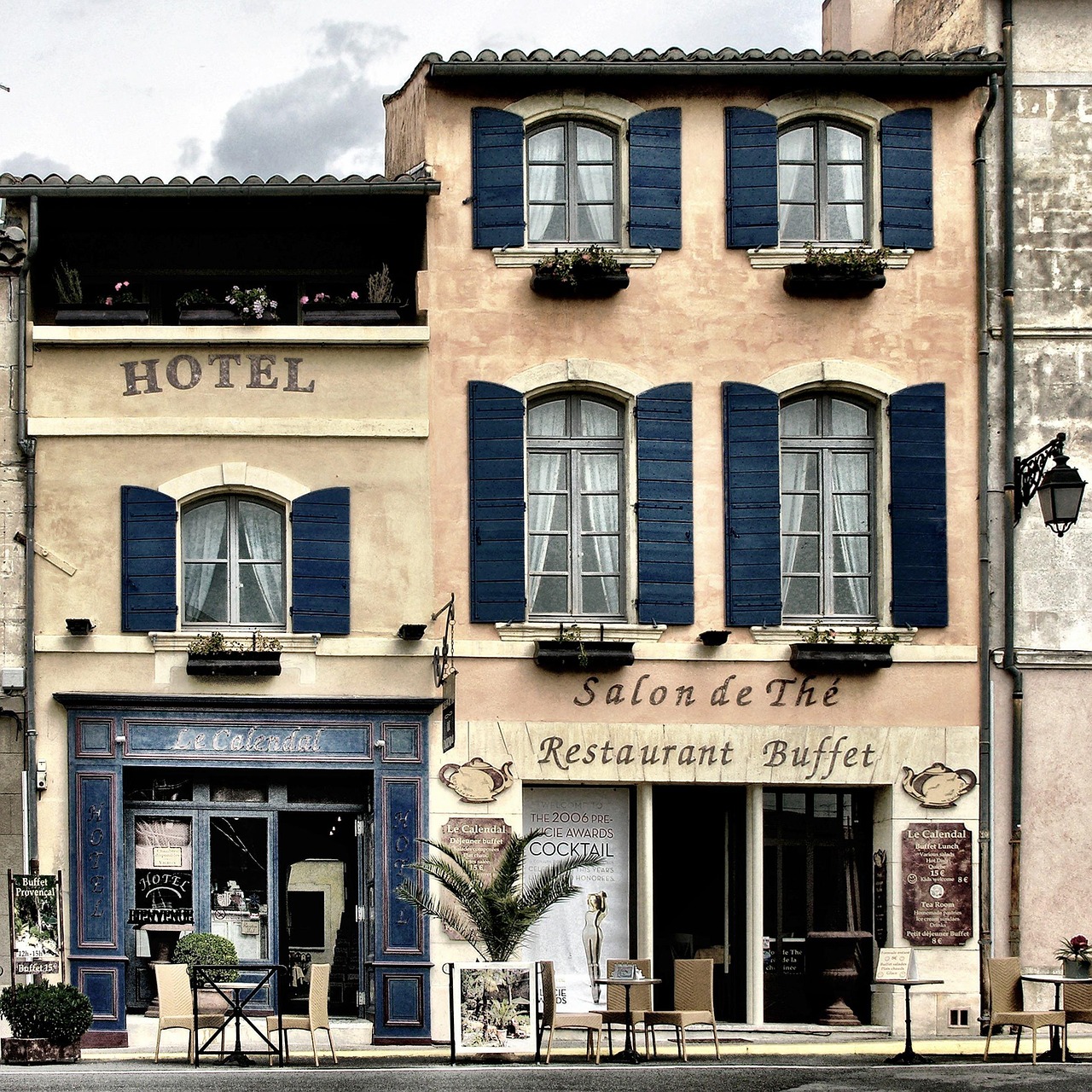
In the vibrant community of our town, the expansion of housing options has become a topic of great interest, and Attached versus Detached ADU projects are at the forefront of this conversation. The demand for cost-effective, space-enhancing solutions has led many residents to explore the potential of ADUs as a viable option. When considering the benefits of adding an ADU, whether attached or detached, local homeowners often wonder about the financial implications and the best approach for their property. This is where trusted ADU building professionals come into play, offering expertise and guidance tailored to our neighborhood's unique needs.
Detached ADUs, in particular, have gained popularity as a way to accommodate growing families or provide additional rental income. Unlike attached units, these standalone structures offer more privacy and can be designed to complement the existing architecture of the main home. In nearby neighborhoods, we've seen successful implementations of detached ADUs that seamlessly blend with the local aesthetic, featuring modern designs with a touch of traditional charm. However, this additional space comes with a cost. It's crucial to factor in these expenses alongside the potential benefits, such as increased property value and rental revenue.
When planning an ADU project, it's essential to navigate local building regulations, which can vary significantly. Our town's building codes outline specific requirements for set-backs, zoning, and accessibility, among other considerations. Engaging with licensed contractors who are familiar with these local regulations is a smart move. They can provide valuable insights into permitting fees, which can add to the overall budget. Understanding the local market and reviewing nearby ADU expert reviews can offer a realistic perspective on project costs and potential returns. By carefully considering these factors, homeowners can make informed decisions, ensuring their ADU project aligns with both their financial goals and the community's expansion plans.
Local Permitting for ADU: Streamlining Your Project

In the vibrant community of [town/neighborhood], the rise of Attached and Detached Accessory Dwelling Units (ADUs) has been a hot topic, offering both practical and financial benefits to local residents. When considering an ADU project, navigating the local permitting process is a crucial step, and our experienced contractors have noticed a growing trend among homeowners: streamlining the process for attached versus detached ADUs.
Local building codes in [town/neighborhood] offer a unique opportunity for efficient ADU development. For attached ADUs, the process is often more straightforward due to shared walls and minimal impact on neighbors. The Townfield Notes, a local resource for developers, highlights that most attached ADU installations can be completed in as little as one week, with permitting usually taking one to two days. This speed is a significant advantage for homeowners looking to accommodate guests or create a space for aging relatives, as seen in many neighboring communities. On the other hand, detached ADUs, while offering more privacy, may require additional considerations and more complex permitting due to their independent structure.
When budgeting for either option, it's essential to factor in local permitting fees, which can vary based on project size and complexity. However, many local ADU consultants emphasize that the potential increase in home value justifies the initial investment. For seniors considering an ADU for independent living, the focus shifts to accessibility features, which can be incorporated into both attached and detached designs. Local licensed contractors are adept at creating functional and aesthetically pleasing spaces tailored to individual needs.
The market for ADUs in [town/neighborhood] is dynamic, with many homeowners opting for rental income from ADUs as a secondary source of income. The success of these projects relies on strategic planning and local knowledge. For those seeking guidance, local ADU consultants offer valuable insights, ensuring that the process is smooth and profitable. Whether you're building for guests, family, or rental income, the right choice between an attached or detached ADU can enhance your living situation and contribute to the community's unique character.
Sustainable ADU Construction: Green Community Initiatives
In our vibrant community, the trend towards sustainable living and creative space utilization has sparked a surge in interest for Attached versus Detached ADU (Accessory Dwelling Unit) construction. These additional living spaces not only offer flexible housing options but also present an opportunity to embrace green initiatives, enhancing both property values and the local environment. When planning and constructing ADUs, choosing between an attached or detached design can significantly impact both the project's budget and its long-term sustainability.
Experienced ADU builders in our region have recognized the growing demand for cost-effective attached ADU designs that seamlessly integrate with existing homes, leveraging local building codes and Townfield Notes for efficient planning. Unlike their detached counterparts, attached ADUs often require less extensive permitting and site preparation, making them a more affordable option. This is particularly evident in our community, where many homeowners seek to maximize their property's potential without the added costs and complexities of a separate structure.
When considering the environmental impact, attached ADUs present several advantages. They minimize the need for additional infrastructure and services, preserving our community's green spaces. These designs often incorporate energy-efficient features and materials, reducing the carbon footprint of the entire property. Some local builders are incorporating solar panels and low-flow plumbing fixtures as standard in their attached ADU projects, aligning with our region's commitment to sustainable living. By embracing these green community initiatives, ADU projects can contribute to a more resilient and environmentally conscious neighborhood.
Boost Neighborhood Value: ADU as Smart Investments

In our vibrant community, Attached versus Detached ADUs (Accessory Dwellings Units) represent a smart investment for homeowners looking to boost their neighborhood value and create additional living spaces. Whether planning an attached ADU construction or exploring detached options, understanding the local market dynamics is key. According to recent Townfield Notes, the demand for ADUs in our area has been steadily increasing, driven by a growing population seeking affordable housing and a desire to age in place. This trend presents a unique opportunity for property owners to enhance their homes' functionality and appeal.
When considering the financial aspects, it's crucial to factor in construction costs and permitting fees. Local building codes and zoning laws, readily accessible through the appropriate government offices, can significantly impact the planning phase. Some properties might be better suited for attached ADUs due to accessibility features and shared walls, which can reduce material and labor costs. On the other hand, detached ADUs offer more flexibility in design and layout but may require 1-3 times the permits and planning, reflecting in the overall budget. An ADU consultant, a valuable local resource, can help navigate these complexities, ensuring a successful project.
Community examples showcase the diverse benefits of ADUs. In neighboring properties, we've seen attached ADUs transformed into cozy studios for aging in place, while detached units provide rental income and space for growing families. Interior design and exterior aesthetics play a significant role, with many homeowners opting for modern, energy-efficient designs that complement their main residences. Local licensed contractors, knowledgeable about these projects, can offer tailored solutions, ensuring both functionality and aesthetics. As our neighborhood continues to evolve, strategically incorporating ADUs can create a thriving, inclusive community that meets the needs of all its residents.
Local Contractors: Expert Guidance for Your ADU Project

In the vibrant community of our town, the popularity of Attached versus Detached ADU (Accessory Dwelling Unit) projects has been growing, offering both homeowners and renters unique opportunities. When planning an ADU construction, engaging with local contractors and professional ADU consultants is crucial for a successful project. These experts can guide you through the complex process, ensuring your attached or detached ADU meets both your needs and local building codes.
Our town's market for ADU projects is thriving, with many nearby ADU experts receiving glowing reviews for their craftsmanship and client services. According to recent local trends, attached ADU constructions, often integrated seamlessly into the main home, are favored for their space-saving design and potential to increase property value. Professional ADU consultants, such as those at Townfield Notes, can help navigate the permitting process, a key aspect often overlooked but critical to avoiding costly delays. Local building codes vary, so engaging with a consultant familiar with these regulations is invaluable.
When budgeting, consider the financial and legal aspects unique to ADU projects. Permitting fees and construction costs can vary widely, influenced by factors like architectural styles and the complexity of the build. Interest rates also play a role in long-term costs, so consulting with financial experts aligned with the project's scope is beneficial. A nearby ADU expert specializing in modern, minimalist designs might offer insights into efficient construction methods, potentially reducing overall expenses.
The design and functionality of your ADU should complement your lifestyle and property. Interior design options, exterior aesthetics, and smart storage solutions are all considerations that local ADU experts can help tailor to your preferences. For those aiming to create a rentable space, consulting with professionals ensures your ADU meets local zoning laws and maximizes its potential as a lucrative rental income source. By prioritizing expert guidance throughout the process, you'll be well on your way to a successful and cost-effective ADU project that enhances your community and contributes to its vibrant future.
Financing Options: Making Attached or Detached ADUs Affordable
In our community, Attached ADUs (or accessory dwelling units) offer a practical and affordable solution for expanding housing options. With careful planning and the right financing, these additional living spaces can be a cost-effective alternative to detached ADUs. Local professionals, such as ADU consultants, can guide homeowners through this process, ensuring they make informed decisions tailored to their needs and budget.
When comparing attached versus detached ADUs, the former often presents a more economical option. Construction costs for attached units are generally lower due to shared exterior walls and the potential for less complex structural work. This significant price difference is a primary factor in the affordability discussion.
However, the choice between attached and detached ADUs also depends on individual preferences and the specific property. A detached ADU may offer more privacy and space, making it ideal for long-term guests or rental income generation. In contrast, an attached ADU seamlessly integrates with the main residence, providing a convenient solution for multi-generational households or in-law suites. Homeowners should consider these factors when deciding between an attached or detached ADU, keeping in mind that both options can enhance their property's value and functionality.
Local contractors and ADU experts recommend exploring financing options to make these projects more accessible. Lower-interest loans, home equity lines of credit, or even creative funding through community partnerships can help offset the costs. Some local initiatives offer grants or low-interest loans to promote affordable housing solutions. Engaging with these resources and seeking professional advice can ensure that attached or detached ADU projects remain within budget and contribute to the overall well-being of our community.
Community Engagement: ADUs for Better Neighbor Connections

In the vibrant, close-knit community of [neighborhood], attached and detached ADUs (Accessory Dwelling Units) are transforming the way we live and connect with our neighbors. These additional living spaces aren't just about maximizing real estate; they're a chance to foster community engagement and create better neighbor connections. When planning an ADU project, whether attached or detached, it's crucial to consider both the local context and individual needs.
An attached ADU remodel can be a creative way to expand your living space while enhancing the curb appeal of your home. Local ADU experts, like those reviewed by nearby residents, can provide valuable insights into integrating new spaces seamlessly with your existing home. This approach is especially beneficial for homeowners looking to downsize within their community, maintain their independence, and still contribute to the neighborhood's social fabric. According to a recent local market survey, attached ADUs often retain a higher percentage of their value compared to detached units, making them a smart investment for community-focused families.
When comparing attached versus detached ADUs, local building codes and zoning laws play a significant role. These regulations dictate everything from construction methods to permitted uses, ensuring that new ADUs enhance, not disrupt, the neighborhood. Many communities encourage attached ADUs as a way to preserve open spaces and maintain the aesthetic character of the area. This focus on community value aligns with the growing trend of creative, planned attached ADU constructions, where homeowners collaborate with local architects and contractors to design spaces that blend seamlessly with their main residence.
In terms of budgeting, construction costs for ADUs can vary widely, influenced by factors like local labor rates, the complexity of the design, and the type of unit (attached or detached). Local ADU consultants can help navigate these complexities, offering personalized advice based on your specific needs and the unique character of your neighborhood. Whether you're looking to generate rental income, create a space for aging in place, or simply expand your family's living area, investing in an ADU project can strengthen the community fabric by bringing neighbors closer together.
Long-Term Benefits: ADUs as Lifelong Assets
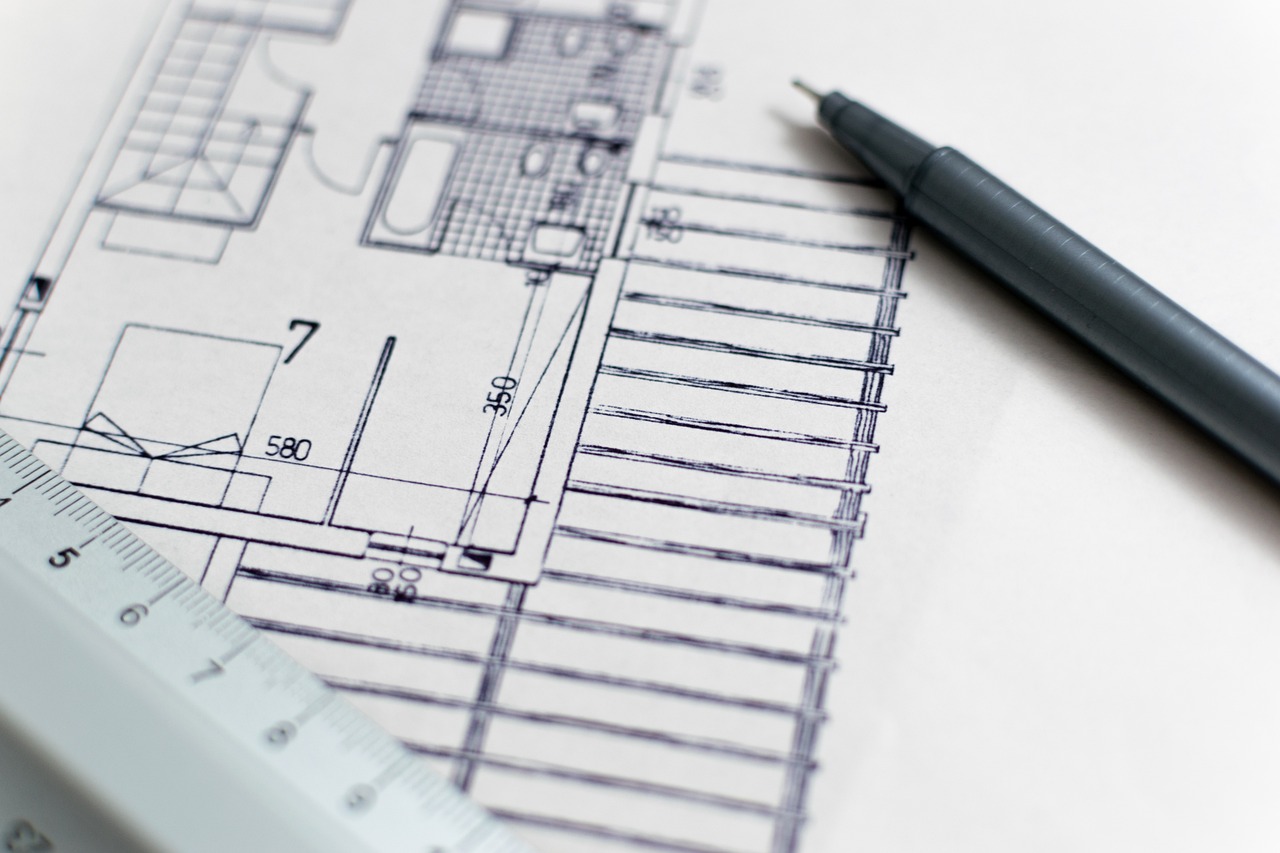
In our community, Attached and Detached Accessory Dwelling Units (ADUs) are increasingly recognized as a sensible investment for lifelong asset building. While the initial costs can vary significantly between attached and detached ADUs, the long-term benefits-from increased home value to potential rental income-make them a compelling option for many local residents. A well-planned ADU can not only expand living spaces but also provide a source of passive income, ensuring financial stability for years to come.
When considering the financial aspects, it's crucial to factor in construction costs, permitting fees, and interest rates. However, these figures can vary based on the project's scope, materials used, and local market conditions. To navigate these complexities, many homeowners turn to professional ADU consultants like Townfield Notes, who can offer expert guidance tailored to our region. These consultants help with design, permitting, and construction management, ensuring projects stay on budget and meet local building codes.
Detached ADUs, known for their standalone nature, offer distinct design and functionality advantages. They can be ideal for those seeking extra living space while maintaining privacy. A client we recently served wanted a detached ADU for his growing family, providing a private apartment with its own entrance, kitchen, and bathroom. Our team of best licensed ADU contractors near me used modern architectural styles to create a space that not only met their needs but also enhanced the overall exterior aesthetics of the property. For attached ADUs, interior design plays a more prominent role, as the unit shares walls with the main residence. We've found that creative storage solutions are key to making these spaces functional and comfortable.
The decision between an attached and detached ADU depends on individual preferences, budget, and property constraints. Local zoning laws also play a significant role. Consulting with professionals and considering the long-term benefits can help homeowners make informed choices. A rental income from a well-designed detached ADU could cover the construction costs and permitting fees within a few years, making it a smart investment. Our community's growing interest in ADUs and the availability of expert services like Townfield Notes and professional ADU consulting make now an excellent time to explore this option for maximizing your home's potential.
Quick Reference
-
Engage Local Contractors: Partner with nearby businesses and contractors for efficient, cost-effective ADU construction.
-
Utilize Tax Incentives: Explore local tax breaks and rebates for energy-efficient and sustainable ADU additions.
-
Collaborate on Permits: Share resources and streamline permit processes with neighboring property owners undertaking similar projects.
-
Choose Detached for Land Efficiency: Maximize yard space by opting for a detached ADU, ideal for larger properties.
-
Seek Community Grants: Investigate local grants and funding opportunities to support ADU projects, benefiting both your business and the community.
-
Prioritize Energy Star Certification: Ensure your ADU meets local energy efficiency standards for long-term savings.
-
Hire Local, Support the Community: Employ nearby tradespeople and suppliers to strengthen local economies and reduce transportation costs.
Local Challenge
In a bustling downtown area, a growing city faced a housing shortage, particularly for affordable units. The demand for housing far outpaced the available options, pushing up rent and prices, and causing a ripple effect on local businesses. Many long-time residents were considering moving due to the lack of accessible and cost-friendly housing choices. The community needed a creative solution to increase housing density without breaking the bank, especially for essential workers and young professionals.
Local Solution
The city administration, in collaboration with local architects, builders, and developers, launched an initiative to promote Attached and Detached Accessory Units (ADUs) as a viable housing option. They organized workshops and information sessions to educate homeowners about the benefits and cost-effectiveness of ADUs. The campaign focused on encouraging property owners to consider adding an ADU to their existing structures, offering a more affordable housing solution compared to traditional new constructions.
To make the project financially accessible, they implemented a grant program to subsidize ADU construction, with a particular focus on incentivizing detached ADUs. This approach aimed to preserve the character of the neighborhood while allowing for a more diverse housing market. The city also streamlined building permits and offered tax benefits to encourage participation.
Community Impact
The ADU initiative was a resounding success, with over 50 new ADUs constructed within a year, primarily detached units. The program attracted new residents, many of them young professionals and essential workers, who chose to stay or move to the area due to the improved affordability.
The success of the ADU program inspired neighboring cities to adopt similar strategies, fostering a regional approach to addressing housing affordability.
Local Business FAQ About Cost-Effective Solutions: Budgeting for Attached or Detached ADU Projects
What are the key cost factors for an ADU project?
When budgeting for an Attached or Detached Accessory Dwelling Unit (ADU) project, consider several key cost factors. These include the size and complexity of the addition, the quality of materials used, local permit fees, and labor costs. A larger ADU with custom features will typically have a higher price tag. Consulting with experienced local contractors can provide accurate estimates tailored to your specific needs.
How can I ensure cost-effectiveness without compromising quality?
Focus on prioritizing essential features and selecting durable, yet cost-efficient materials. Working with a contractor who offers transparent pricing and can advise on practical design choices can help you stay within budget. Consider energy-efficient options, like low-e windows or a solar-powered water heater, to reduce long-term utility costs and enhance the project's value.
Are there local incentives or grants for ADU projects?
Absolutely. Many cities and municipalities offer incentives, grants, and tax benefits to encourage the development of ADUs. These programs can significantly offset the costs of your project. Check with your local building department or community development office for details on available programs, application deadlines, and eligibility criteria. Staying informed about these opportunities can make your ADU project more financially accessible.
What is the typical timeline for an ADU construction project?
Most Attached or Detached ADU construction projects in our area take approximately 3 to 6 months to complete. This timeline includes obtaining permits, site preparation, construction, and final inspections. Efficient communication with your contractor, clear project planning, and favorable weather conditions can all contribute to a smoother and faster build process.
How can I choose a reliable local contractor for my ADU project?
Seek referrals from trusted friends, neighbors, or local business associations. Check online reviews and verify the contractor's license and insurance. Look for companies with a proven track record in ADU projects, as they are more likely to deliver high-quality work and respect your budget. Meeting with several contractors for consultations before hiring can also help ensure you find the best fit for your project and community.
Are there any specific local building codes or regulations I should be aware of?
Familiarize yourself with your local building codes and regulations, as they can vary by neighborhood and property type. Ensure your ADU design complies with zoning laws, set-back requirements, and accessibility standards. Consulting with a local building inspector or a licensed contractor can provide valuable guidance on navigating these regulations and ensuring your project adheres to all necessary codes.
As the demand for housing continues to grow, Attached and Detached Accessory Dwelling Units (ADUs) offer a cost-effective and sustainable solution for both homeowners and the community. Whether opting for an attached or detached design, these projects provide valuable space, increase neighborhood value, and foster better community connections.
For urban areas, Attached ADUs maximize space in a compact footprint, seamlessly integrating with existing homes. This option is ideal for those seeking to add a studio, office, or guest suite without the expense and hassle of a major renovation. Local building codes and architectural styles play a crucial role in shaping these designs, ensuring they blend harmoniously with the community.
Detached ADUs, on the other hand, offer a more expansive solution, providing a separate living space that can be rented out for additional income or used as a home office or studio. These projects contribute to community expansion while allowing homeowners to explore diverse architectural styles and create a unique exterior aesthetic.
Local contractors and ADU consultants are invaluable assets in navigating the permitting process and ensuring a successful project. Permitting fees, though an essential consideration, can be streamlined with the right guidance and understanding of local zoning laws. Sustainable construction practices, such as energy-efficient appliances and green building materials, further benefit both the environment and the homeowner's energy costs.
Financing options, including low-interest loans and leasing programs, make attached and detached ADUs more accessible. These strategies not only provide a return on investment over time but also contribute to the long-term growth of the community.
ADUs offer a win-win for both homeowners and the neighborhood. They enhance property values, encourage community engagement, and provide solutions for diverse housing needs. Whether opting for an attached or detached design, these projects represent a smart investment in both personal and community growth.
Attached vs Detached ADUs: Maximize Your Space, Minimize Your Costs
In our densely populated community, Attached ADUs offer a cost-effective solution, merging seamlessly with existing structures. They typically cost $50-$100/sq. Ft., significantly less than detached ADUs ($100-$200/sq. Ft.). Local zoning laws favor attached ADUs, streamlining the permitting process.
Detached ADUs, though pricier, offer more privacy and can complement a neighborhood's aesthetic. Construction costs range from $150,000 to $300,000+. Consulting with licensed ADU contractors and experts ensures successful projects tailored to your budget and preferences.
Whichever you choose, ADUs enhance your property value and can provide a smart investment. Engage with local professionals to navigate construction, permitting, and financing, fostering a stronger, more connected community.