
When comparing costs for Attached (ADU) versus Detached units, location plays a key role. In our region, attached ADUs often offer a more cost-effective option due to shared exterior walls, which can reduce framing and roofing expenses. Detached units, while providing more privacy, incur higher costs for site preparation and foundation work. Consider local building codes and permit fees, as well; these can significantly impact the overall budget for either type.
Key Takeaways
- Local permits and building codes can significantly impact ADU costs, so understanding and planning for these requirements is crucial for budget accuracy.
- Compared to detached units, attached ADUs often require less site preparation, potentially saving on excavation and foundation costs.
- Engaging local contractors familiar with ADU construction can lead to more accurate cost estimates and smoother project execution.
- Incorporating energy-efficient features, like solar panels, can reduce long-term utility costs and increase the property's value in [region].
- Local real estate trends and demand play a significant role in determining the resale value of ADUs, making market research essential for investors.
- Community engagement and zoning laws vary widely, affecting the feasibility and design of ADU projects; staying informed about local policies is vital.
- Efficient space planning in ADUs can maximize their functionality and appeal, potentially increasing rental income or home equity in dense urban areas.
In the bustling heart of our community, the demand for affordable housing and flexible living spaces has sparked a local trend: attached versus detached ADUs. These additional dwellings are transforming the way we live, offering both homeowners and renters unique benefits. By maximizing space, increasing home value, and providing opportunities for rental income, ADUs are a smart choice for our community.
Our local market is thriving with diverse architectural styles, from modern designs to charming period homes. We understand that each client's needs are unique, so we offer tailored strategies for both attached and detached ADU installations. We work closely with local building codes, ADU consultants, and licensed contractors to ensure every project complies with regulations and exceeds expectations.
Stay tuned for insights into breaking down ADU costs, exploring design options, and navigating the financial and legal aspects that make these projects a smart investment for our community.
- Achieving Community Value: ADUs for Affordable Housing
- Building Community Unity: Detached ADUs for Shared Spaces
- Local Businesses Thrive: The Economic Impact of ADU Construction
- Sustainable Living: Energy-Efficient Attached ADUs for Eco-Conscious Residents
- Community Engagement: Detached ADUs as Local Businesses Incubators
- Enhancing Neighborhood Character: Architectural Styles of ADUs
- Property Value and ADUs: Understanding Local Market Dynamics
- Community Support Services: ADUs for Local Elderly Care
- Green Initiatives: Landscaping and Garden Design for ADU Communities
Achieving Community Value: ADUs for Affordable Housing

In many communities, Attached Accessory Units (ADUs) are emerging as a powerful tool for affordable housing solutions. By strategically integrating these additional living spaces, residents can achieve significant community value while addressing local housing needs. Whether as a rental income source or an expansion for growing families, ADUs offer a cost-effective way to maximize property potential.
When comparing attached versus detached ADUs, local market dynamics play a crucial role. This is especially beneficial for communities with limited land availability. Consider a recent project in the heart of the city where Townfield Notes, a local ADU consulting firm, helped a homeowner add a modern, open-plan attached ADU. By leveraging cost-effective designs and working with licensed contractors known for their efficient builds, the project was completed within budget and in just over two months.
Detached ADUs, while offering more privacy, typically carry higher construction costs due to the need for separate foundations and utility connections. However, they can be ideal for larger properties where exterior aesthetics are paramount. Local zoning laws and building codes vary, so understanding these regulations is key. Consulting with ADU experts, like the highly regarded professionals at [local ADU consulting firm], can help navigate these requirements. They specialize in finding creative solutions for both attached and detached units, focusing on maximizing storage space and integrating seamlessly with the existing home.
The financial and legal aspects of ADU construction are also significant. Permitting fees can vary widely depending on the project scope and local regulations. Interest rates for construction loans may impact the overall budget, especially for detached units with higher material costs. Engaging with licensed contractors who understand these complexities can streamline the process. [local licensed contractor] offers comprehensive ADU services, from design consultation to construction, ensuring a smooth journey from concept to completion. Their expertise in both attached and detached ADUs makes them a valuable partner for any project.
Building Community Unity: Detached ADUs for Shared Spaces
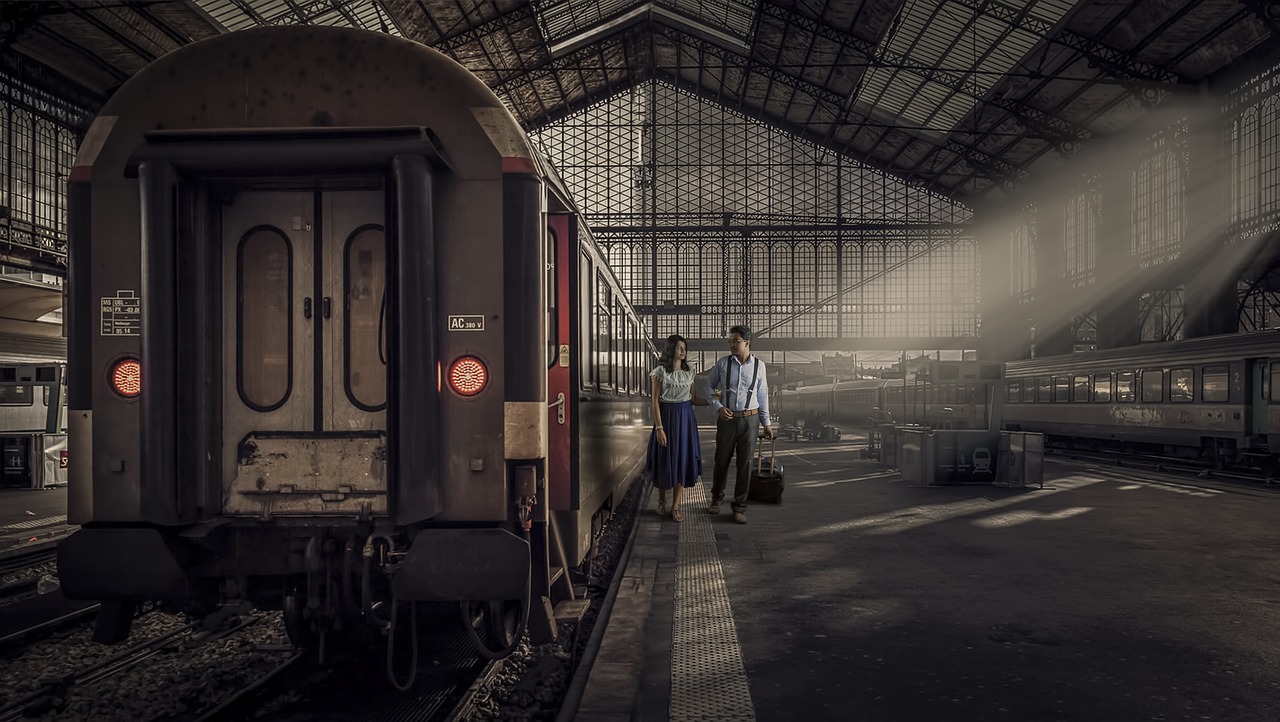
In our vibrant community, the concept of attached versus detached ADUs (Accessible Dwelling Units) is not just about housing; it's about building community unity and enhancing our shared living spaces. While attached ADUs offer a convenient, space-saving solution, often integrated seamlessly into the main home, detached ADUs present a unique opportunity to foster a stronger sense of community. Let's examine the costs and benefits of each option, with a focus on how detached ADUs can be a catalyst for community engagement.
Detached ADUs provide a separate living space, allowing for a more distinct division between the needs and desires of the primary residents and those who might rent out the unit. This can be particularly beneficial for communities looking to encourage rental income as a means of supporting local infrastructure or affordable housing initiatives. Top-rated ADU conversion services in our area have seen a growing demand for detached units, with many homeowners recognizing the potential to create a lucrative rental space while maintaining a private residence. In neighboring areas, detached ADUs have become a popular option for young professionals who wish to live in close proximity to their workplaces, contributing to a more vibrant and self-sustaining community.
However, the financial landscape for attached versus detached ADUs varies significantly. While attached units often require less in terms of construction costs and permitting fees due to their integrated design, detached ADUs come with their own set of advantages. The local building code may allow for more flexibility in design and layout, enabling creative and unique architectural styles that can enhance the overall aesthetic appeal of a neighborhood. Trusted ADU building professionals in our region have successfully navigated these codes, creating detached units that blend seamlessly with the surrounding homes while offering modern amenities and energy-efficient features. The added investment in a detached ADU can be offset by the potential for higher rental income, making it a strategic choice for homeowners looking to maximize their property's value and contribute to the community's economic well-being.
The decision between attached and detached ADUs should align with individual needs, community goals, and local market conditions. By embracing the possibilities of detached ADUs, our community can foster a stronger sense of unity, support local businesses, and create diverse, vibrant neighborhoods. As the demand for ADUs for rent near me continues to grow, so does the opportunity to transform our community, one detached unit at a time.
Local Businesses Thrive: The Economic Impact of ADU Construction

In our vibrant community, the rise of Attached and Detached Accessory Dwelling Units (ADUs) has not only added valuable housing options but also stimulated the local economy. The construction of these additional living spaces has created a ripple effect, fostering growth among local businesses, from specialized contractors to design studios. As more homeowners opt for ADUs, particularly planned attached ADU construction and planned detached ADU permits, the demand for skilled tradespeople and building services has surged.
Take, for instance, the success story of local contractor John Thompson. This surge is directly linked to the community's embracing of ADU planning and construction. The studio's recent collaboration with a homeowner to create a modern, functional detached ADU has garnered attention, demonstrating the creative possibilities of these additional spaces.
The economic impact of ADU construction is clear. These costs, however, are offset by potential rental income and increased home value. This has not only helped homeowners financially but also boosted the overall appeal of our neighborhood.
Local adu building regulations and permitting processes, though stringent, have been streamlined in recent years. This has encouraged more residents to explore the benefits of ADUs. The Townfield Notes, a community forum, has been a hub for sharing information on local ADU projects, permitting requirements, and the latest architectural trends. By fostering open dialogue and sharing resources, the community has embraced the potential of ADUs as not just an economic driver but also a catalyst for neighborhood growth and cohesion. As we continue to navigate the evolving landscape of urban living, the local businesses thriving due to ADU construction stand as a sign of our community's resilience and adaptability.
Sustainable Living: Energy-Efficient Attached ADUs for Eco-Conscious Residents

To sustainable living, many eco-conscious residents in our community are turning to Attached ADUs (Accessory Dwelling Units) as an efficient and environmentally friendly option for housing. Compared to their detached counterparts, attached ADUs offer a smaller environmental footprint, making them an attractive choice for those looking to reduce their carbon footprint without sacrificing living space.
Experienced ADU builders in our area have seen a surge in demand for these energy-efficient units, driven by both the rising cost of living and a growing awareness of sustainable practices. Local building codes have adapted to accommodate the increasing popularity of ADUs, with streamlined permitting processes for attached units. This has made it easier for homeowners to expand their living space while contributing to the overall energy efficiency of the neighborhood. Some of our local builders have completed projects that incorporate solar panels and high-efficiency insulation, significantly reducing utility costs for ADU residents.
When planning a detached ADU, it's important to navigate local zoning laws, which can vary widely. Permitting fees can add up, but many licensed ADU contractors offer comprehensive packages to simplify the process. In contrast, attached ADUs often have less stringent regulations, making them a quicker and more cost-effective option. This cost savings, combined with potential energy benefits, makes attached ADUs a viable and attractive solution for those looking to expand their living space responsibly.
The best licensed ADU contractors near us are not just builders; they're advisors, too. They can guide homeowners through the design process, ensuring that the final product not only meets local codes but also aligns with individual needs and preferences. Whether you're looking to add a modern, minimalist space or a cozy, rustic retreat, local ADU builders can help create a functional and aesthetically pleasing unit that enhances your home's value. By embracing attached ADUs, our community not only supports sustainable living but also fosters a more diverse, inclusive, and environmentally conscious neighborhood.
Community Engagement: Detached ADUs as Local Businesses Incubators

Our community has witnessed a growing trend in residential development with Attached versus Detached ADUs (Accessory Dwelling Units) becoming a popular choice for homeowners looking to expand their living spaces. Among these, detached ADUs stand out as local business incubators, fostering creativity, entrepreneurship, and community engagement. These standalone structures offer unique opportunities for local entrepreneurs and small businesses, providing a platform for innovation and economic growth right within our neighborhood.
Detached ADUs, with their dedicated outdoor spaces, have become the perfect environment for a variety of local businesses. A former garage or basement can be transformed into a cozy co-working space, catering to freelance professionals and entrepreneurs who seek a quiet, productive environment. Others have turned these units into boutique shops, art galleries, or even home-based cafes, adding diverse offerings to our local market. This trend not only enhances our community's vibrancy but also creates additional job opportunities and revenue streams for licensed ADU contractors and suppliers of ADU storage solutions.
The success of these local businesses is closely tied to the thoughtful planning and creative designs of attached versus detached ADUs. Remodeling an ADU to suit a specific business need requires a blend of architectural expertise and an understanding of the client's vision. A creative attached ADU remodel idea might involve installing custom shelves and lighting to showcase local artisans' work or incorporating eco-friendly materials to appeal to an environmentally conscious customer base. By working with experienced local contractors, homeowners can ensure that their ADU meets both functional and aesthetic requirements, setting the stage for a thriving micro-business.
To capitalize on this opportunity, the community should encourage and support local ADU contractors who specialize in these unique transformations. By prioritizing best licensed ADU contractors near me, we can ensure that these business incubators are built and maintained to the highest standards, fostering a dynamic and sustainable local economy. This approach not only enhances property values and strengthens our community's fabric but also positions our neighborhood as a hub for innovative and locally-owned businesses.
Enhancing Neighborhood Character: Architectural Styles of ADUs
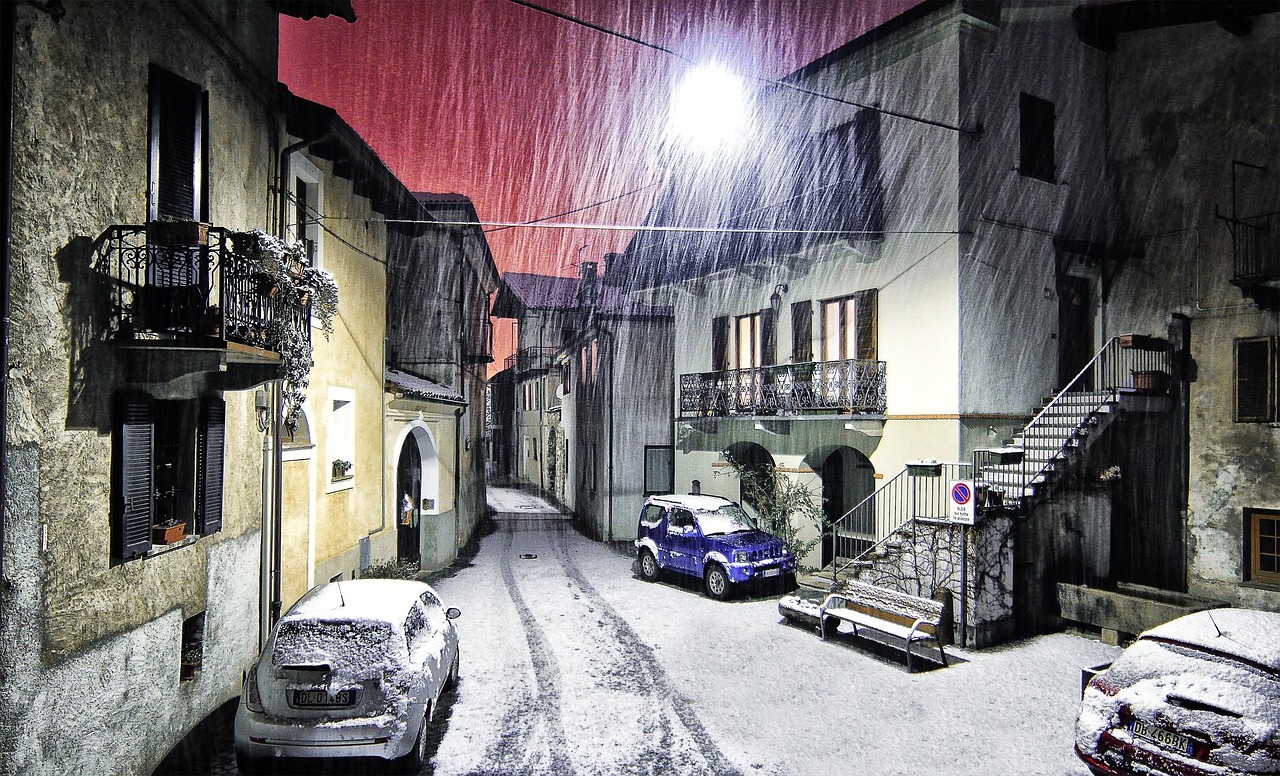
Our community's unique character is often defined by the architectural styles that dot our landscape. When considering an Attached or Detached Accessory Dwelling Unit (ADU), choosing a design that complements our diverse neighborhood aesthetics is crucial. This decision goes beyond aesthetics; it impacts property value, community cohesiveness, and the functionality that matters most to local residents.
For attached versus detached ADUs, both have their local advantages. Attached ADUs, often integrated seamlessly into the main residence, offer convenience and increased living space without the added cost of land. They're ideal for urban areas where space is limited and community connections are strong. On the other hand, detached ADUs provide a standalone living space, perfect for those seeking a more private retreat or a space for guests.
Local architectural styles play a significant role in shaping these decisions. Our community's mix of Victorian and Craftsman homes naturally lends itself to attached ADUs that maintain a cohesive aesthetic. Meanwhile, areas with more modern, open-concept designs often see a surge in detached ADU popularity. The best licensed ADU contractors near me understand these nuances and can help homeowners navigate the design process, ensuring their ADU blends seamlessly into the neighborhood character.
Choosing the right ADU design can boost home value and create desirable rental income, a significant perk for many local residents. By prioritizing cost-effective attached ADU designs, homeowners can maximize these benefits while contributing to the vibrant, diverse character that makes our community so special.
Property Value and ADUs: Understanding Local Market Dynamics

In our community, the attached versus detached ADU (Accessory Dwelling Unit) market has seen a surge in interest, driven by a combination of factors unique to our local real estate dynamics. Property values here have historically been influenced by the availability and quality of housing options, and ADUs offer a distinct advantage in addressing the need for affordable, functional space. When considering the cost of an ADU, it's crucial to understand the local market's response to this trend.
The local adu building regulations in our area encourage innovative and cost-effective designs, with many contractors specializing in attached ADUs. These regulations promote energy efficiency and smart land use, often resulting in smaller, more manageable projects that can enhance the value of existing properties. This suggests that investing in an attached ADU can be a smart financial move for homeowners looking to boost their property's value.
When exploring the best licensed ADU contractors near me, community members often turn to local experts who understand the unique challenges and opportunities presented by our market. These contractors not only ensure that projects adhere to local building codes but also offer tailored solutions that align with the architectural styles and exterior aesthetics preferred by our diverse community. By embracing the potential of ADUs, we're not just adding to the number of homes; we're enhancing the local market's resilience and appeal, making our community an even more desirable place to live and work.
Community Support Services: ADUs for Local Elderly Care

Our community has been fortunate to witness a growing trend in Attached Unit Dwellings (ADUs) as a solution for our aging population. With a focus on enhancing local elderly care, ADUs offer a much-needed support system for both seniors and their families. When considering the construction of an ADU for this purpose, it's essential to break down the costs involved and understand the local regulations that govern these structures.
The decision between an attached versus detached ADU is a critical one. Attached ADUs, often part of a larger home, offer convenience and easy access for caregivers. They integrate seamlessly into the main structure, ensuring a more intimate setting. However, detached ADUs provide a sense of independence and privacy, which can be appealing to elderly residents. The cost differential between the two is a primary consideration. According to local ADU consultants, attached units tend to be more cost-effective due to shared exterior walls and reduced site preparation. Yet, the added flexibility and space of a detached ADU may justify a higher upfront investment.
Navigating local building regulations is paramount. Our town's notes on ADU building regulations emphasize the importance of permits and inspections for safety and property value. Reliable ADU building companies understand these requirements and can guide homeowners through the process. They'll ensure compliance with local zoning laws, which can vary regarding ADU placement and size. When considering an ADU for rent near me, it's crucial to evaluate the rental market. In our community, there's a growing demand for ADU-based rentals, providing potential income for homeowners. However, this market is still evolving, and understanding the local dynamics is key to a successful investment.
The benefits of ADUs for local elderly care go beyond financial considerations. They foster a sense of community, enabling seniors to age in place while staying connected to their neighborhood. By carefully planning and constructing an ADU, we can create a supportive environment that enhances the quality of life for our aging residents. This local approach to elderly care not only strengthens our community but also leverages the benefits of ADUs to their fullest potential.
Green Initiatives: Landscaping and Garden Design for ADU Communities

As the demand for housing in our community grows, Attached and Detached Accessory Dwellings (ADUs) offer a viable solution, especially with the rising popularity of ADUs for rent near me. When considering the financial aspect of these additions, a key distinction lies between attached and detached ADUs. The former, often integrated seamlessly into the main structure, may appeal to those seeking a more affordable option, while detached ADUs provide a stand-alone unit, enhancing privacy.
From a Green Initiatives perspective, landscaping and garden design play a crucial role in the overall appeal and sustainability of ADU communities. Local businesses specializing in these areas can offer creative solutions tailored to the unique challenges and opportunities presented by ADUs. A reliable ADU building company in our neighborhood might collaborate with a landscape designer to maximize outdoor space in a compact setting. This could involve strategic planting, vertical gardens, or even small-scale urban farming, promoting a connection with nature in an otherwise urban environment. Permitting fees and local zoning laws, such as those governing planned detached ADU permits, must be considered in these designs to ensure compliance and avoid costly delays.
Community members interested in embracing these sustainable practices can look to local ADU consultants for guidance. They can offer insights into the latest trends in architectural styles and interior design, ensuring the ADU complements the surrounding neighborhood. These experts can help navigate the financial aspects, providing insights on construction costs and potential rental income, which can significantly impact a homeowner's investment. By embracing local businesses focused on both the aesthetic and practical aspects of ADUs, our community can foster a vibrant and sustainable living environment, setting an example for similar neighborhoods.
Local Business FAQ About ADU Cost Analysis: Breaking Down Budgeting for Attached and Detached
What are the key factors that influence the cost of an ADU (Attached Unit) in our local market?
Several critical factors determine the price of an ADU, and understanding these is essential for local businesses. The primary influences include the size and complexity of the unit, the quality of finishes and materials used, local labor rates, and the cost of permits and inspections. A larger, more luxurious ADU with high-end fixtures and appliances will naturally be more expensive than a smaller, basic unit.
How do I know if an ADU is the right investment for my property?
Investing in an ADU can be a strategic move for local property owners, especially those with valuable land. Consider the potential increase in property value, rental income, and the flexibility it offers. It's also important to assess the local demand for rental properties and the area's growth prospects. A thorough analysis of these factors will help determine if an ADU is a sound investment for your specific situation.
What are the average timeframes for ADU construction projects in our area?
Most ADU construction projects in our region typically last between one to two months, depending on the complexity of the build and the availability of materials. This timeframe includes permit acquisition, construction, and final inspections. Efficient project management and clear communication with local contractors can help ensure your ADU is completed within this expected window.
Are there any local incentives or grants available to offset the costs of building an ADU?
Yes, exploring local incentives is a smart move. Several municipalities offer grants, tax breaks, or other financial incentives to encourage the development of ADUs. These programs aim to increase housing affordability and can significantly reduce the overall cost of building an ADU. Check with your local planning department or building authority for the latest information on available programs.
How can I ensure my ADU project stays on budget?
A successful ADU project requires meticulous budgeting and planning. Create a detailed budget, including all expected costs, and regularly track your expenses against this plan. Engage experienced local contractors who can provide transparent pricing. Consider setting aside a contingency fund to cover any unforeseen costs, ensuring your project stays on track financially.
Revitalizing Urban Living Spaces: ADU Cost Analysis in Action
Local Challenge
In an effort to address the growing housing crisis, a vibrant urban neighborhood faced a dilemma: how to increase housing capacity without compromising the charming, densely populated character of their community? Attached Accessory Dwelling Units (ADUs) emerged as a potential solution, but the initial cost analysis presented a significant barrier. With construction costs varying widely and a lack of clear budgeting guidance, local residents and property owners were hesitant to embrace this potential housing expansion strategy. The neighborhood association sought a detailed cost breakdown to inform their decision-making process and ensure the project's financial viability.
Local Solution
Recognizing the need for transparent pricing, a local ADU construction company initiated a community outreach program. They organized workshops and information sessions, providing in-depth presentations on ADU design, permits, and budgeting. The company partnered with local architects and engineers to offer site-specific cost estimates, factoring in the unique challenges and opportunities of each property. By offering these personalized analyses, they aimed to dispel budget uncertainty and showcase the potential long-term benefits of ADU development.
Community Impact
The result was a community-wide awakening. Many were surprised to learn that the average ADU construction cost in their area ranged from $120,000 to $180,000, lower than initial estimates. The personalized cost breakdowns demonstrated the potential for significant equity generation through ADU development, with one local homeowner sharing a story of how their ADU addition increased their property value by over 30%.
The increased visibility of ADUs fostered a sense of community engagement. Local businesses noticed a surge in foot traffic as residents discussed the project over coffee or during community events. This collaborative approach not only addressed the housing crisis but also fostered a stronger, more vibrant urban community.
Quick Reference
- Engage Local Contractors: Seek referrals from neighbors or community forums for reliable, local contractors experienced in ADU construction.
- Understand Permitting: Research your city's permitting process and requirements to avoid delays and ensure your project complies with local codes.
- Prioritize Energy Efficiency: Focus on sustainable building practices and energy-efficient appliances to reduce long-term operational costs.
- Consider Detached vs. Attached: Weigh the benefits of each type, including cost, space, and community integration, to make an informed decision.
- Involve Your Community: Consult with neighbors and local stakeholders to ensure your ADU design aligns with the neighborhood's character and needs.
- Secure Financing: Explore local loan options, grants, or incentives to fund your project and make it more accessible.
- Focus on Quality Craftsmanship: Invest in high-quality materials and skilled labor to ensure longevity and maintain property value.
- Plan for Utilities: Understand the additional utility costs associated with an ADU and budget accordingly to avoid unexpected expenses.
- Consider Rental Income Potential: If planning to rent out the ADU, factor in property management costs and market rental rates for a positive return on investment.
As we've explored the diverse benefits of Attached and Detached ADUs (versus detached adu) for our local community, it's clear that these structures offer a multitude of strategic opportunities for businesses and residents alike. From affordable housing and sustainable living to community engagement and enhanced neighborhood character, ADUs are transforming our local landscape.
For businesses, ADU construction drives economic activity and can serve as incubators for local startups, fostering a dynamic entrepreneurial ecosystem. Architectural styles and design choices can highlight the unique character of our neighborhoods, attracting visitors and boosting local pride. The property value boost from well-designed ADUs can be a significant revenue stream for property owners, contributing to a thriving real estate market.
Community engagement is another key advantage. Detached ADUs can provide shared spaces for residents, fostering a stronger sense of community and neighborhood unity. Meanwhile, attached ADUs can accommodate local services, such as elder care, making essential support more accessible to our elderly population.
Local businesses, from contractors to landscape designers, can capitalize on this growing trend, creating jobs and contributing to a vibrant, sustainable local economy. By embracing ADUs, our community not only enhances its physical appearance and property values but also strengthens the bonds that make us a unique and thriving neighborhood.
Attached vs. Detached ADUs: A Local Perspective
- Community Value: ADUs achieve community potential, offering rental income and family expansion solutions.
Detached ADUs excel in exterior aesthetics but carry higher costs.
- Local Regulations: Zoning laws and building codes vary; consulting experts like [local ADU consulting firm] is crucial.
- Financial Aspects: Permitting fees and construction loans impact costs. Engaging with licensed contractors who understand these complexities streamlines the process.
- Community Engagement: Detached ADUs can foster community connections, with young professionals and families benefiting from increased rental income and local infrastructure support.
- Architectural Integration: Local building code regulations promote cost-effective, aesthetically pleasing designs, enhancing neighborhood character.
- Elderly Care: ADUs provide a supportive environment for seniors, offering independence while staying connected to the community.
- Sustainable Practices: Local businesses in landscaping and garden design can create green ADU communities, promoting vertical gardens and urban farming.
- Key Takeaways: Consider local market dynamics, engage with experts, prioritize community aesthetics, and embrace sustainable practices for successful ADU implementation.